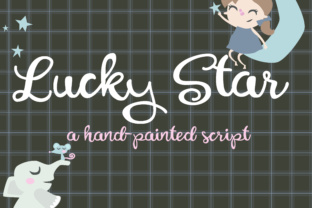
Lucky Star Font for Web Design
What Is Lucky Star?
Lucky Star is a hand-painted cursive script with charming loops and playful whimsy. It’s designed to bring warmth, charm, and character to any design project, especially those with a child-friendly or colorful aesthetic. As a web designer, I’ve tested this font in several real-world layouts and found it to be both visually appealing and surprisingly versatile for digital use.
Testing Lucky Star in Digital Layouts
I first used Lucky Star in the hero section of a boutique online store. The font’s flowing curves and elegant loops made the brand name stand out immediately. It added a touch of personality that felt authentic and approachable, which is crucial for building trust with customers. When placed over an image banner, it didn’t overpower the visuals but still commanded attention. The font’s soft, rounded edges helped it blend seamlessly into the overall design without clashing.
Readability and Responsiveness
One of the key considerations when using a decorative font like Lucky Star is readability, especially on smaller screens. I tested it on mobile devices and found it performed well as long as the text size was appropriately adjusted. On larger headings and titles, it looked beautiful and easy to read. However, I noticed that at very small sizes, such as on buttons or form labels, the intricate details of the font could become less legible. For these cases, I recommend pairing Lucky Star with a clean sans-serif font for better accessibility.
When designing for responsive layouts, it’s important to ensure that Lucky Star maintains its visual appeal across different screen sizes. I found that it worked best when used sparingly—on headlines, call-to-action buttons, and decorative accents rather than large blocks of text. This helps maintain clarity while still allowing the font to make a stylistic impact.
Font Pairing Suggestions
Pairing Lucky Star with complementary fonts can enhance the overall design. For a modern, editorial look, I paired it with a simple serif font like Georgia or Times New Roman. This contrast creates a balanced and professional feel. Alternatively, combining it with a bold sans-serif font like Montserrat or Roboto can add a fresh, contemporary edge to the design.
For a more whimsical or playful vibe, consider pairing Lucky Star with another script font. This can create a cohesive, handcrafted feel that’s perfect for creative portfolios, blog headers, or promotional landing pages. Just be mindful of not overdoing it—too many decorative fonts can lead to visual clutter.
Use Cases for Lucky Star in Web Design
Lucky Star shines in areas where a bit of flair and personality are needed. It works beautifully for website headers, hero sections, and call-to-action buttons. I used it in a course sales page, where it helped draw attention to the headline while maintaining a friendly and inviting tone.
It also looks great in blog graphics, social media banners, and digital ads. When designing a digital brand kit, I incorporated Lucky Star into logo text and taglines to reinforce the brand’s identity. Its playful nature makes it ideal for creative industries, educational websites, and children’s-themed content.
However, it’s worth noting that Lucky Star may not be the best choice for long body copy or dense dashboard layouts. Its decorative style can sometimes reduce readability in technical or informational contexts. Always test the font in your specific layout to ensure it meets your design goals.
Technical Considerations
Before using Lucky Star on a live website, it’s essential to check the font’s file formats and licensing options. Ensure that you have access to webfont versions if you’re planning to use it on a site that requires fast loading times. Also, verify that the font supports multilingual characters if your audience includes non-English speakers.
Many premium fonts like Lucky Star come with multiple styles, weights, and alternates. Exploring these options can help you tailor the font to fit different design needs. Ligatures and swashes can add extra visual interest, but they should be used thoughtfully to avoid overwhelming the user experience.
Final Thoughts on Lucky Star
Overall, Lucky Star is a delightful addition to any web designer’s toolkit. Its charm and versatility make it suitable for a wide range of digital projects, from branding to marketing materials. While it’s not the most practical choice for every scenario, it excels in areas where a touch of whimsy and creativity is desired.
As a web designer, I appreciate how Lucky Star enhances the visual appeal of a site without sacrificing usability. Whether you’re creating a portfolio, launching a new product, or redesigning your blog, this font has the potential to elevate your digital presence and leave a lasting impression on your audience.